
What is drop shipping and why does this model attract millions of participants? With dropshipping requiring initial capital of only 100-200$ – or even 0, this “sell without handling shipping” model is becoming the top choice for experienced students, office workers, and new entrepreneurs. However, to succeed, you need to set realistic goals based on available resources.
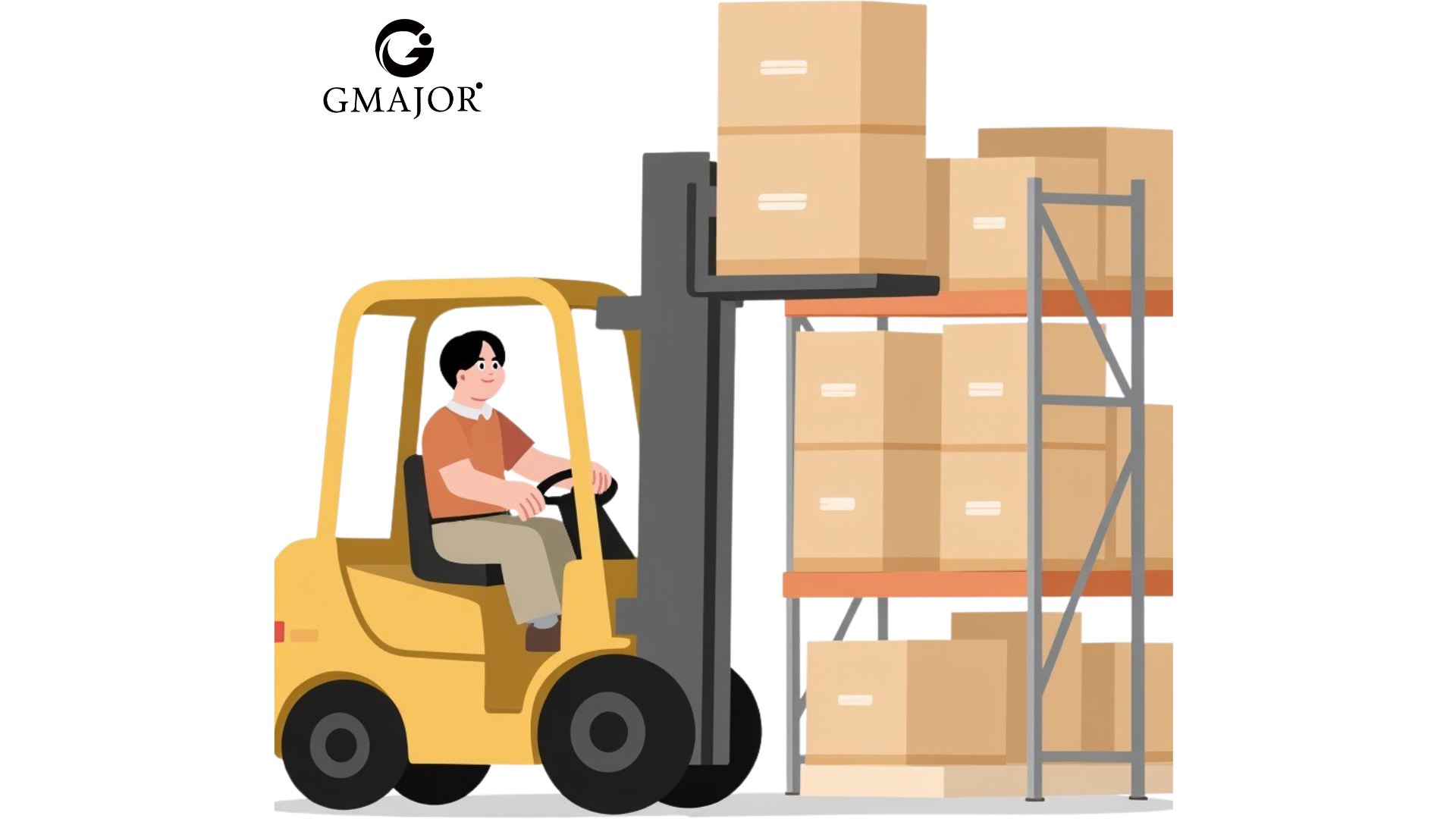
What is dropshipping?
What is drop shipping? Business model without inventory
Drop shipping is a special online retail model: the seller does not need to store goods in inventory. You act as an intermediary connecting customers with suppliers or manufacturers.
The process works in 3 steps: Customer orders from your store, you forward the order details to the supplier, the supplier ships directly to the customer. Your profit is the difference between selling price and purchase price. Customers only know you as the sole seller, the entire process is invisible.
Easy-to-understand example: You are a broker at a fair, promoting paper cups and paper straws to visitors. When customers pay, you send the address and money to the factory and the factory delivers. You keep the price difference without touching the product or worrying about shipping.
How much initial capital does dropshipping require? Realistic figures
Dropshipping requires very low initial capital compared to traditional business. Beginners only need 100-200$ (2.6 – 5.2 million VND) to start. You don’t have to spend on pre-importing goods, renting warehouses or premises. Main costs are marketing, advertising, and website maintenance.
As scale increases, required capital also rises but remains much more flexible than traditional models. You can start with 2-3 million to test products, then scale to 10-20 million once you find winning products.
Table 1: Dropshipping vs Traditional Business
| Criteria | Dropshipping | Traditional Business |
| Investment Capital | 2.6-5.2 million | 50-200 million (depending on category) |
| Inventory Risk | None | High |
| Location | Flexible, remote work | Fixed, need warehouse |
| Profit Margin | Lower (10-15%) | Higher (30-50%) |
| Control | Dependent on supplier | Self-managed |
Essential tools include bank account and Visa/Mastercard for international transactions, laptop or phone with internet, and at least 1-2 hours per day for operations and learning.
📞 Business expansion consultation: Hotline: 036 300 3831 |Email: support@gmajor.biz
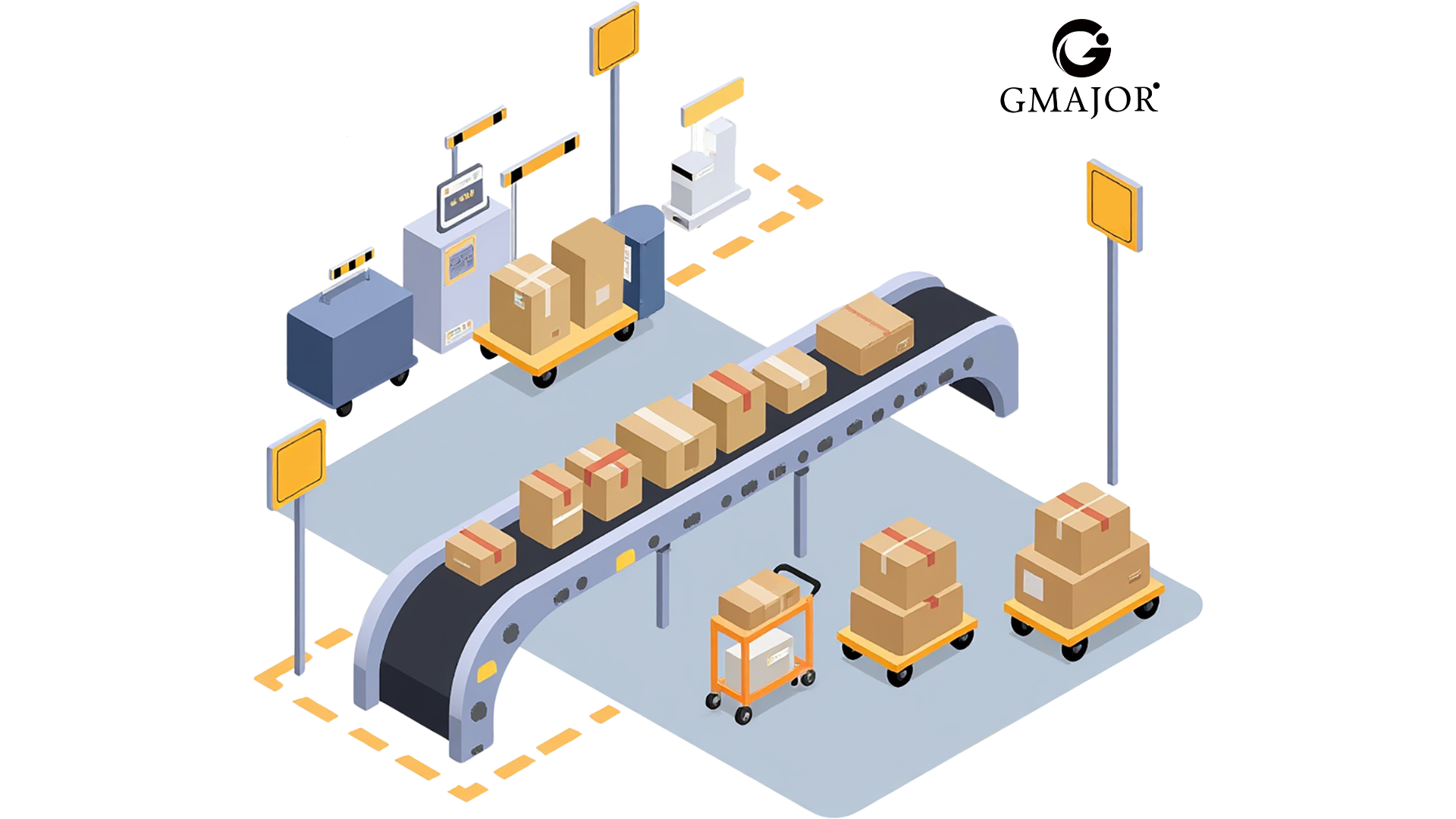
Dropshipping vs. Traditional Business
Dropshipping needs realistic goals
Dropshipping needs realistic goals to avoid disappointment. Many expect quick 100-200% profits, but reality is only a 10-15% margin due to high competition. It takes 3-6 months initially to learn and build a solid foundation.
Set goals: Based on actual resources (capital, skills, time, relationships) and break them down. Short-term (1-3 months): Learn to find products and suppliers, understand basic ad running. Medium-term (6-12 months): Achieve 10-20 orders/month with 3-5 million profit. Long-term (1-2 years): Build stable income 15-30 million/month. Create detailed plans for tasks and timeline per phase.
Right mindset: Treat it as a serious profession, not “get rich quick”. Be ready to invest time, money, and a serious learning attitude. Persistence because success comes from accumulated experience through hundreds of orders, not a few tries.
Table 2: Goals by Phase
| Phase | Timeline | Goal | Required Resources |
| Starting | 0-3 months | Understand model, find products | 2-5 million, 2h/day |
| Developing | 3-6 months | 5-10 orders/month | 5-10 million, 2-3h/day |
| Stabilizing | 6-12 months | 20-30 orders/month | 10-20 million, 3-4h/day |
| Scaling | 12+ months | 50+ orders/month | 20+ million, full-time |
A common mistake is setting “earn 100 million/month after 3 months” without experience. Instead, set “sell first 5-10 orders in month 1, understand customer feedback and improve process”. These small, measurable goals create motivation and daily progress.
Real advantages and limitations to know
Outstanding advantages: Low capital since no pre-purchase, only spend when orders come biggest advantage improving cash flow cycle. Flexible work anytime, anywhere with just a laptop and internet. Reduced risk, no worry about inventory or obsolete goods.
Limitations to know: Low profit 10-15% due to high competition and buying at retail prices from suppliers. Hard to control quality and delivery time since it depends on the supplier you never touch the product before the customer. Fierce competition with thousands selling the same products, leading to price wars.
Table 3: Suitable Targets
| Target Group | Reason Suitable | Time | Initial Capital |
| Students | Plenty time, low capital | 2-4h/day | 2-5 million |
| Office Workers | Side income | 1.5-2h/day | 5-10 million |
| Freelancers | Flexible time | 3-5h/day | 5-15 million |
| New Entrepreneurs | Gain experience | 4-6h/day | 5-10 million |
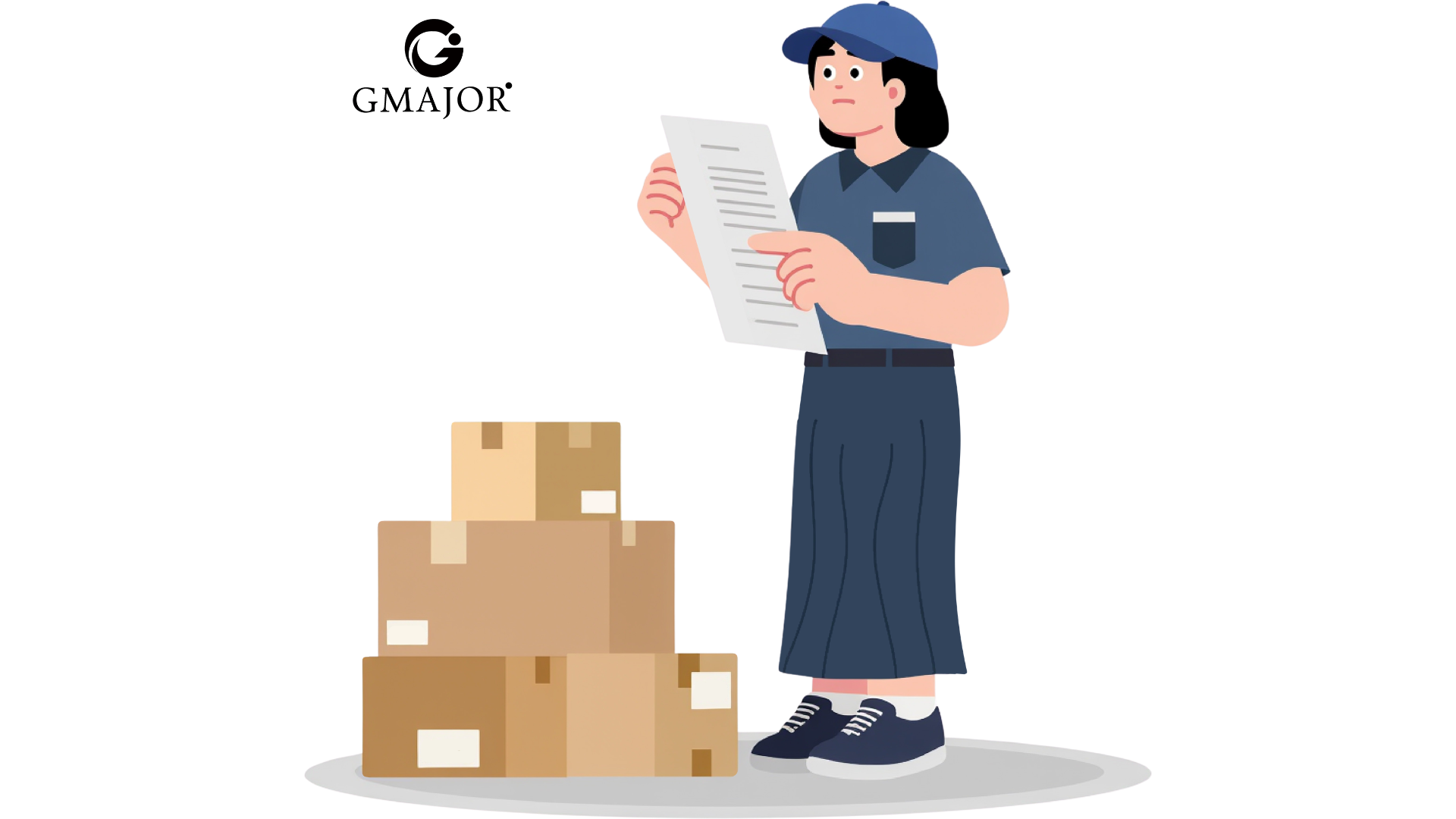
Target audience suitable for the drop shipping model
Drop shipping suits bloggers and influencers with existing communities, helping them earn extra without inventory investment. Small business owners can use this model to test new products before large imports.
4 effective steps to start drop shipping
Step 1: Choose product (Niche): Find high-demand, moderate-competition products via market research tools like Google Trends. Prioritize small, compact, light items to save shipping and avoid damage risk. Minimum 15-20% margin to cover marketing costs and retain real profit.
Step 2: Find reputable suppliers: Check ratings, reputation via forums and reviews. Fast order processing (1-3 days) so customers don’t wait long. Clear after-sales policy on returns, warranty. Most important: Order samples to check actual quality before selling, never skip this. Test delivery time to meet customer expectations.
Step 3: Build an online store: Choose suitable platforms like Gmajor (easy to use) or e-commerce marketplaces Shopee, Lazada. Design beautiful, professional interfaces to build trust. Write detailed product descriptions, high-quality images.
Step 4: Marketing and sales: SEO to optimize keywords for natural discovery. Run paid ads on Facebook Ads, Google Ads, TikTok Ads with a small initial budget for testing.
Potential and challenges in Vietnam
The global drop shipping market is growing strongly, projected to exceed 594 billion USD by 2028. In Vietnam, with the e-commerce boom and tens of thousands participating, this model shows clear development potential.
However, the Vietnam market faces logistics infrastructure challenges. Domestic shipping costs are sometimes higher than international due to an unsynchronized system. Processes like receiving, packaging, labeling, bill creation are fragmented, no unified system, increasing costs and affecting price competitiveness.
Vietnamese habit of preferring cheap prices and fast delivery is a major pressure on dropshippers, forcing continuous process optimization and better supplier search.
Sustainable Success in Drop Shipping with Gmajor
What is drop shipping? It’s a business opportunity with low initial capital ($100-200$), suitable for new entrepreneurs wanting real experience. But for stable income, dropshipping needs realistic goals based on resources, broken into phases and persistent execution.
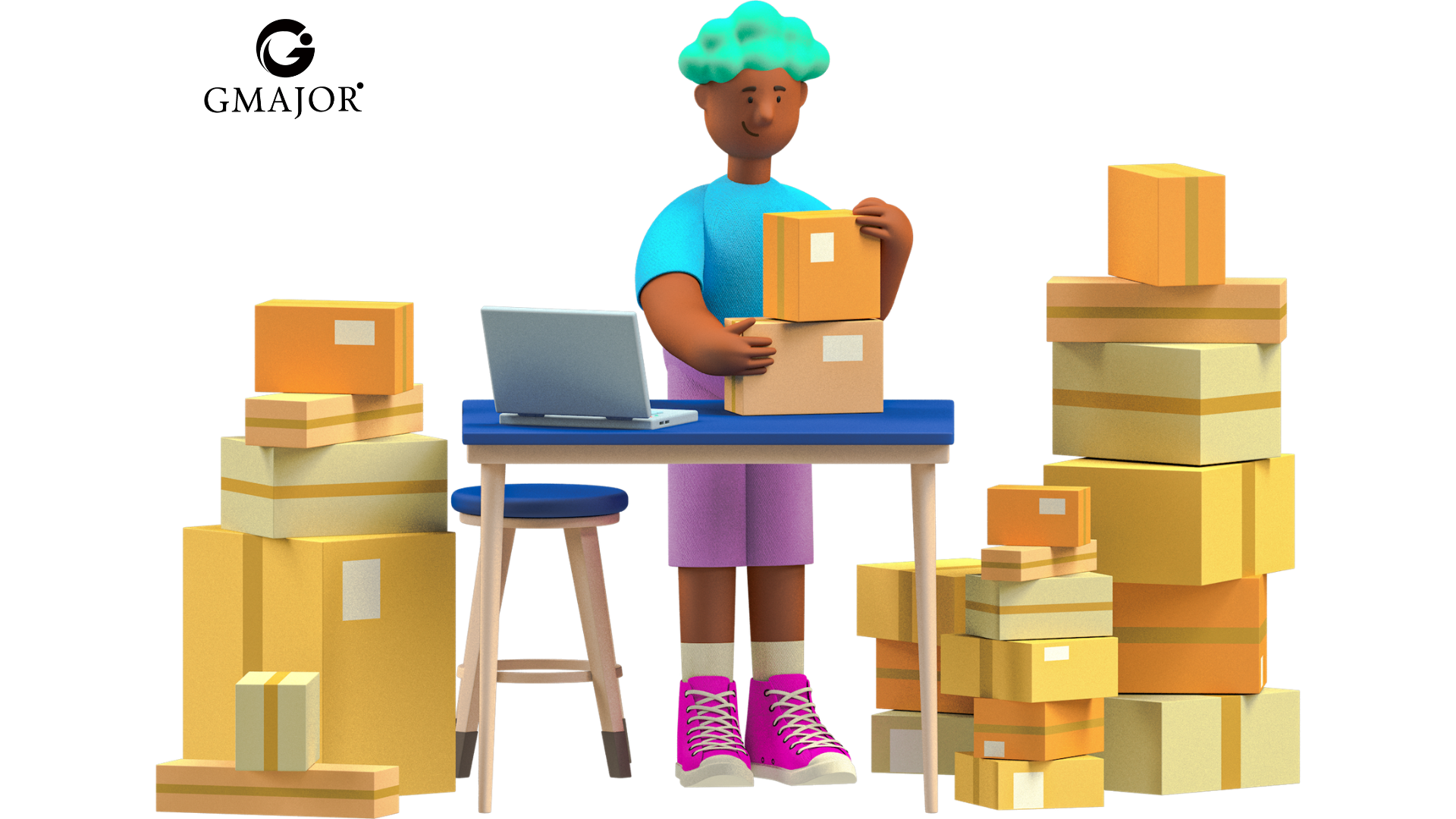
Sustainable Dropshipping Business with GMAJOR
Understand advantages (low capital, flexible, reduced risk) and limitations (10-15% profit, hard control, high competition) for correct expectations. Success in drop shipping comes from serious mindset, continuous learning from each order and building step by step – not “get rich quick” as many think.
Expand international business with Gmajor!
Gmajor – Platform connecting Vietnamese businesses to the world
- Service Packages: Operational manpower, Negotiation commitment, Internal training
- Advertising Packages: Increase global visibility
- 20% discount offer: Contact hotline: 036 300 3831 |Email: support@gmajor.biz
Connect with GMAJOR on: