2026 Import-Export Taxes: The Ultimate Guide to Maximizing Your Business Profits.
In the world of B2B, import-export tax isn’t just a fee, it’s a game-changer for your margins. With 2026 bringing new trade dynamics and a move toward smart, digital customs, understanding tax regulations is no longer optional. It is the must-have weapon for businesses looking to stay ahead of the curve.
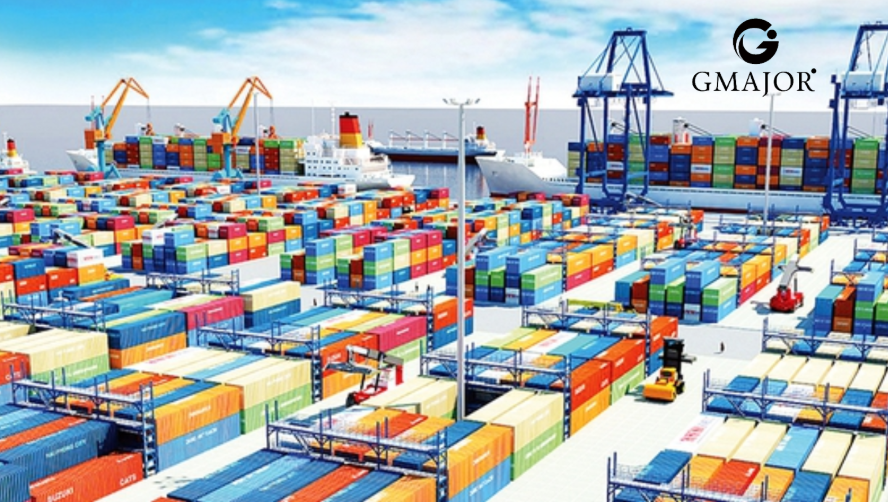
Import-Export 2026
What is Import-Export Tax and Why is it Vital for Your Business?
In the world of global trade, import-export taxes serve as the financial bridge between markets. They are categorized into two main types:
- Import Tax: A mandatory duty imposed on commodities arriving in Vietnam from overseas.
- Export Tax: A levy applied to certain regulated goods when they are dispatched to international destinations.
Mastering these tax types is non-negotiable for any business looking to secure its bottom line and avoid legal pitfalls. There is zero room for error: a single oversight in your customs declaration is enough to get you hit with heavy back taxes, stiff penalties, and leave your cargo stranded in port for weeks.
HS Code Lookup: The Essential First Step in Tax Determination
The Harmonized System (HS) is widely recognized as the “universal language” of international trade. It serves as the foundation for your entire logistics strategy; without the correct HS code, every subsequent tax calculation becomes entirely redundant.
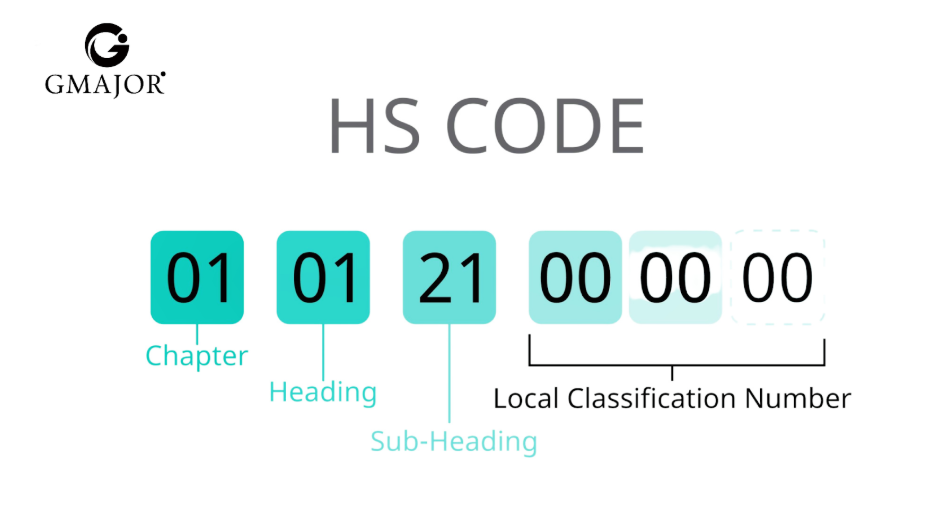
What is an HS Code?
The Harmonized System (HS) is a standardized numerical method used to classify products in global trade. Every item imported or exported must be assigned a specific HS code, which acts as the primary key to determining its applicable tax rates and regulatory requirements.
Decoding the Anatomy of an HS Code
An international HS code is built on a standard 6-digit base recognized worldwide. However, to allow for more granular administrative oversight, Vietnam often extends this sequence to 8 or even 10 digits. Think of these numbers as a funnel: each numerical segment represents a specific level of classification, narrowing down from a broad product category to a highly detailed item description.
Why the HS Code Dictates Your Tax Rate
Each HS code is strictly linked to a specific duty rate within the national tariff schedule. If your goods are misclassified, you risk applying the wrong tax rate, leading to either underpayment or overpayment of duties. In the world of customs, precision is vital: a single digit error in a subheading can cause your tax rate to skyrocket from 0% to 20%, resulting in a massive financial blow to your business.
The High Cost of HS Code Errors: What’s at Stake?
Misclassifying your goods isn’t just a paperwork error—it’s a high-stakes risk that can lead to:
- Administrative Sanctions: Hefty fines imposed for the incorrect declaration of product categories.
- Clearance Bottlenecks: Shipments held in storage for extended periods awaiting re-examination and physical inspection.
- Targeted Inspections: A damaged compliance profile that lands your business in the “Red Channel” for all future shipments, leading to mandatory audits.
A Detailed Guide to Calculating Import-Export Taxes in 2026
Total Tax Payable = Quantity of Goods × Customs Value per Unit × Applicable Tax Rate
However, the calculation doesn’t stop at the base rate. To avoid financial surprises, businesses must also account for various fees and supplemental taxes, including:
- VAT: The standard 8%-10% add-on depending on your product type.
- SCT (Special Consumption Tax): The “Sin Tax” applied to luxury items like cars or restricted goods like alcohol and tobacco.
- Environmental Tax: A make-or-break factor for the textile and chemical sectors. As environmental reporting becomes stricter, this tax is now a central pillar of industrial compliance.
Current Customs Tax Policy
2026 is witnessing a powerful shift in customs tax policy with 4 key highlights:
- Legal Basis: Updating new tax laws to align with international standards.
- The Influence of C/O (Certificate of Origin): This is the “golden ticket” for businesses to access special preferential tax rates.
- The Impact of FTAs: Agreements like VJEPA (Vietnam – Japan) and ATIGA (ASEAN) continue to slash many tariff lines to 0%.
- Digitalization: Electronic customs systems make declarations faster and more transparent.
Import-Export Tax Declaration Procedures
- Prepare a complete dossier: including contracts, invoices, bills of lading, C/O, and customs declarations.
- Conduct declarations on the electronic customs system.
- Pay taxes on time in accordance with regulations.
- Tax exemptions, reductions, or refunds may be granted if eligibility requirements are met.
Common Mistakes in Import-Export Tax Declarations
- Incorrect HS code declaration.
- Miscalculating the customs value.
- Failing to check for FTA preferences.
- Neglecting to track tax refund dossiers.
Frequently Asked Questions (FAQ) about Import-Export Tax
- Is import-export tax mandatory for all types of goods? No. There are certain items that are tax-exempt or non-taxable according to regulations.
- How can a business enjoy preferential tax rates? Businesses must provide a valid Certificate of Origin (C/O) from regions that have signed trade agreements with Vietnam.
- Can small businesses self-declare their taxes? Absolutely. However, to optimize the process and avoid HS code errors, it is advisable to use Hands-on Support services.
GMAJOR – A breakthrough solution that helps businesses optimize tax rates and forge international B2B connections.
Breaking Down Language Barriers in Tariff Negotiations
GMAJOR supports multilingual chat (Japanese – English – Vietnamese), enabling businesses to accurately communicate tax terms and HS codes with international partners. This ensures a clear consensus on customs values and delivery terms, minimizing errors during declaration.
Secure Connection with a Verified Business Network
Transacting with verified partners helps reduce legal risks and enhances reliability when performing cross-border transactions, supporting smoother customs clearance and post-clearance tax audit processes.

Don’t let language barriers misinterpret critical tariff terms. Use GMAJOR’s auto-translating multilingual chat (Japanese – English – Vietnamese) for precise negotiations today!
Learn more: GMAJOR – Global B2B Marketplace Platform Connecting Businesses
Mastering 2026 Import-Export Taxes to Turn Obligations into a Competitive Advantage
- Correctly understand the nature of import-export taxes.
- Accurately identify HS codes and tax rates.
- Calculate taxes correctly and fully in accordance with regulations.
- Comply with customs tax policies and declaration procedures.
When businesses effectively manage these factors, import-export taxes are no longer a passive burden; instead, they become a tool for cost optimization and enhanced competitiveness in international trade.
If your business is preparing to expand its import-export operations in 2026, GMAJOR is the ideal starting point to standardize customs procedures, reduce risks, and accelerate clearance starting today.
👉 Contact us for a consultation now:
- 🌐 Website: https://www.gmajor.biz
- 📲 Hotline: 036 300 3831
- 📧 Email: support@gmajor.biz
🔗 Follow GMAJOR on these platforms: