In the context of increasingly deep globalization, exporting is becoming a strategic direction for many Vietnamese enterprises. In particular, leveraging tax incentives and international trade agreements is helping businesses optimize costs and enhance competitiveness in the global market. So, how can Vietnamese enterprises export without bearing the burden of taxes? This article will provide a detailed answer.
Exporting in the Current Global Trade Context
Definition and Role of Export Activities
Exporting is the activity of transferring goods and services produced domestically to foreign markets for commercial exchange. This is a crucial driver for economic growth, helping businesses expand their scale of operations and increase foreign currency reserves for the country.
For Small and Medium Enterprises (SMEs), exporting offers opportunities to access new customers, reduce dependence on the domestic market, and simultaneously improve competitiveness by meeting strict international standards.
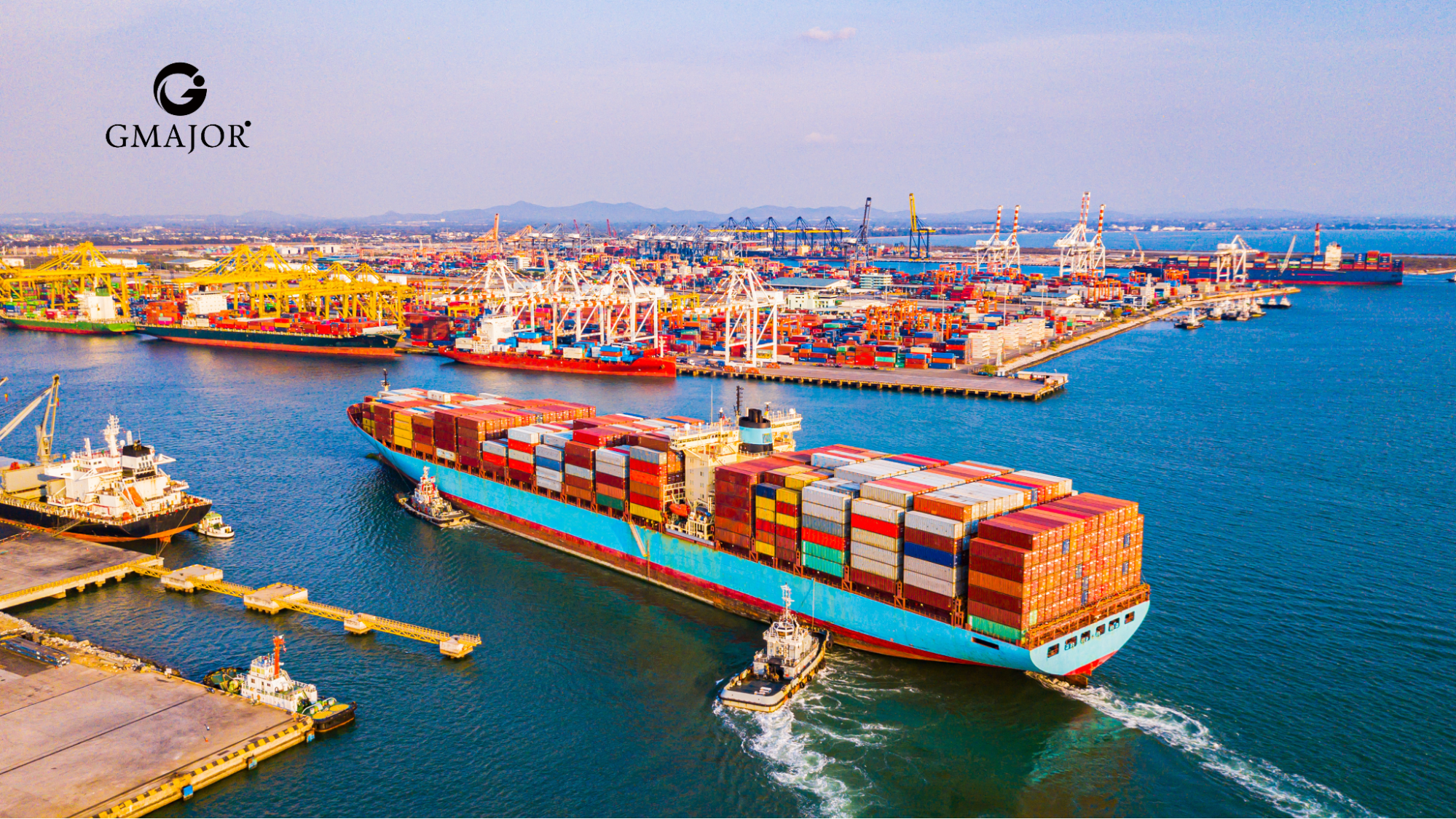
Exports: transporting goods/services abroad for trade, promoting economic growth, expanding markets, and increasing foreign exchange earnings.
International Trade Trends and Opportunities for Vietnamese Enterprises
Post-pandemic, global supply chains have undergone significant shifts, creating new spaces for Vietnamese suppliers. B2B e-commerce is booming, helping businesses connect with international partners more quickly and effectively.
Free Trade Agreements (FTAs) that Vietnam has signed, such as EVFTA, CPTPP, and RCEP, are opening favorable legal corridors with commitments to tariff reductions. The demand for supply diversification from major markets like Japan, South Korea, and Europe is creating numerous opportunities for Vietnamese businesses.
Exporting with 0% Tax Rate: Legal Mechanism and Practice in Vietnam
Regulations on Value Added Tax (VAT) for Exported Goods According to current regulations, goods transferred out of Vietnamese territory are subject to a 0% VAT rate. This is a key incentive policy helping businesses reduce cost burdens and increase price competitiveness in international markets.
Specifically, businesses are also eligible for a refund of input VAT paid for raw materials and services used in the production of export goods. To enjoy this incentive, businesses must ensure valid documentation and strictly follow the declaration process with the tax authority.
Export Processing Enterprises (EPEs) and Special Export Rights Export Processing Enterprises (EPEs) enjoy many tax incentives when conducting export activities. When exercising export rights under authorization, EPEs must maintain separate accounting, not commingled with production activities, and register with the domestic tax authority.
Maximizing this incentive policy requires businesses to clearly understand legal regulations, maintain a transparent bookkeeping system, and fully comply with administrative procedures.
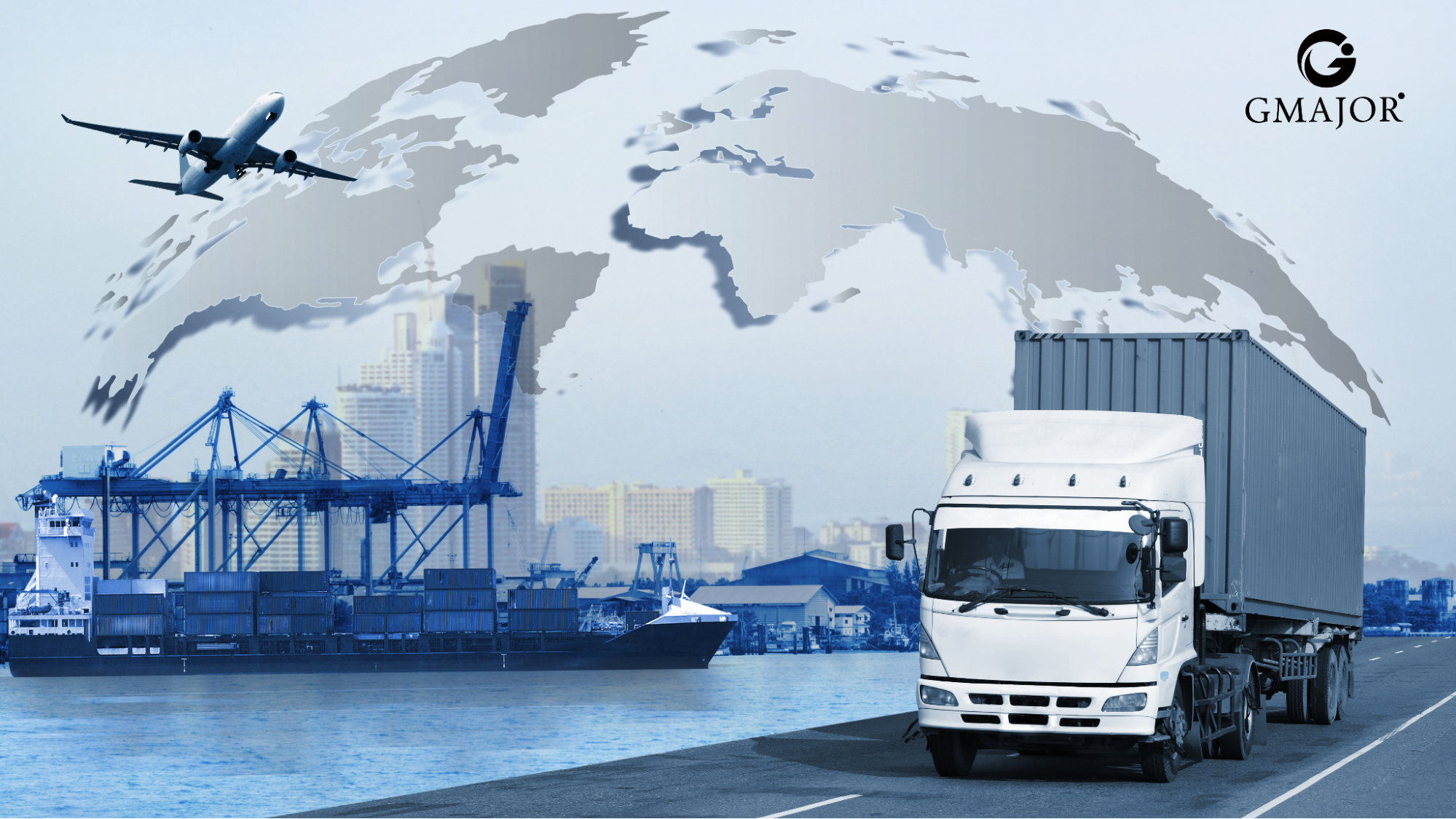
Exports from Vietnam: VAT 0%, input tax refunded; Export processing enterprises enjoy special incentives if they maintain separate accounting and comply with regulations.
Are SMEs Looking to Optimize Export Costs and Connect with International Partners?
GMAJOR provides comprehensive accompaniment services, from partner searching and negotiation management to personnel training and commercial legal support. Simultaneously, the GMAJOR platform helps you promote your business to global customers with flexible service packages.
✉️ Get a FREE consultation today by contacting our hotline 036 300 3831 or support@gmajor.biz
Exporting Subject to Foreign Tariffs: What Businesses Need to Note
Tariff Mechanisms in Import Markets
Although enjoying a 0% tax rate in Vietnam, exported goods are still subject to import duties in the destination country. This tax rate depends on many factors such as the HS code (Harmonized System code), product origin, and trade agreements between the two countries.
Understanding the tariff mechanism in the import market helps businesses calculate costs accurately and devise competitive pricing strategies. Risks from fluctuations in international tax policies also need to be monitored regularly for timely adjustments.
Challenges from Trade Barriers
Besides tariffs, businesses also face non-tariff protectionist measures such as technical standards, food safety regulations, and environmental protection requirements. Trade disputes and punitive tariffs between major nations also create instability for export activities.
Exchange rate fluctuations and rising logistics costs are other factors affecting business efficiency. Researching and complying with the regulations of each market requires resources and specialized experience.
Response Strategies for Vietnamese Enterprises
To overcome barriers, businesses need to thoroughly research tariff regulations and prepare all required documentation. Diversifying export markets helps reduce dependence on a single market, thereby minimizing risks when policy changes occur.

Vietnamese exports are subject to tariffs and non-tariff barriers in importing countries. Businesses need to study the HS code, FTAs, and diversify markets to reduce risks.
Cooperating with local partners and specialized consulting units is an effective solution to grasp market information. Investing in international quality certifications such as ISO, HACCP, and FSC also helps products easily penetrate demanding markets.
Exporting Under Bilateral Trade Promotion Agreements: A New Competitive Advantage
Leveraging Free Trade Agreements (FTAs)
Vietnam has signed many important FTAs such as EVFTA with Europe, CPTPP with 10 Asia-Pacific countries, RCEP with the ASEAN region and partners, and VKFTA with South Korea. These agreements commit to reducing and eliminating tariffs according to specific roadmaps.
To enjoy tax incentives, businesses need to meet Rules of Origin conditions and possess a valid Certificate of Origin (C/O). Determining and proving the origin of goods requires businesses to clearly understand the local content ratio and production process.
Case Study: Vietnamese Enterprises Shifting to the ASEAN Market
Facing high tariff pressures from the US, many Vietnamese steel companies have flexibly shifted their focus to ASEAN markets, especially Cambodia. Thanks to exporting under bilateral trade promotion agreements with a 0% tax rate, steel export turnover to Cambodia has seen impressive growth.
Specifically, in the last 11 months, the volume of steel exported to Cambodia reached over 1.3 million tons, an increase of 24% over the same period. The lesson learned is that businesses need to flexibly adjust target markets according to incentive policies to optimize profits.
Potential Markets for Small and Medium Enterprises
The ASEAN region, with stable demand, fewer barriers, and cultural proximity, is an ideal market for SMEs. Europe, while having high standards, offers good profit margins through the EVFTA. South Korea also opens many opportunities for agricultural products and consumer goods thanks to the VKFTA.
Each market requires an approach suitable for the scale and capacity of the business. Selecting the right market based on a thorough analysis of demand, barriers, and competitiveness is the deciding factor for success.
Vietnam is leveraging FTAs (EVFTA, CPTPP, RCEP, VKFTA) to reduce tariffs to 0%. Businesses need Certificates of Origin (C/O) and proof of origin to enjoy preferential treatment, shifting towards strong growth within ASEAN.
Ready to Penetrate the Vietnamese Market?
Import-export activities are opening up significant opportunities for foreign businesses amid Vietnam’s deep international integration and strong growth. Leveraging preferential 0% tariff policies under various FTAs (EVFTA, CPTPP, RCEP…), understanding Vietnam’s tariff mechanisms, and applying effective strategies will help businesses optimize costs, enhance competitiveness, and quickly capture market share in one of the most promising markets in the region.
Especially for small and medium-sized foreign enterprises, partnering with professional units and utilizing B2B e-commerce platforms (such as GMAJOR) will be the key to overcoming legal, logistics, cultural, and language barriers, thereby successfully conquering the highly prospective Vietnamese market.
GMAJOR offers accompaniment and support service packages:
- Executive Manpower: Professional support + 3 potential partners/month
- Negotiation Commitment: 6 partners + 3 negotiation sessions/month
- Internal Training: Comprehensive from finding partners to personnel training
Or choose advertising packages on the Gmajor platform to increase global visibility.
🎯 20% OFF Promotion – Contact GMAJOR today via hotline 036 300 3831 or email support@gmajor.biz
🔗 Facebook | TikTok | YouTube | LinkedIn | X
💡 Don’t let your business miss the chance to conquer the global market!