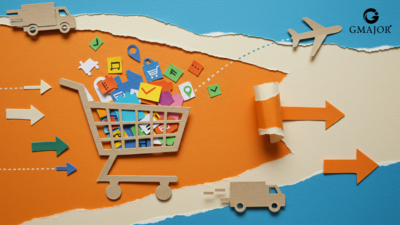
E-commerce platforms have become one of the most transformative factors in the global economy in the 21st century. Not merely online buying and selling platforms, e-commerce platforms are the main driving force behind the explosive growth of the digital economy, connecting millions of sellers and buyers worldwide while creating millions of new jobs in fields such as logistics, digital marketing, technology, customer service, and supply chain management.
Intermediary e-commerce platforms are changing the way business is conducted, enabling small and medium-sized enterprises to access vast markets without expensive physical infrastructure investments. This article analyzes how e-commerce platforms operate, their outstanding economic and social benefits, and practical development opportunities for businesses in the booming digital economy context.

E-commerce platforms promote business expansion
Concept and Global Market Context
E-commerce platform is an online website acting as an intermediary, allowing businesses, organizations, and individuals to conduct the buying and selling process of goods and services. Unlike traditional standalone sales websites, intermediary e-commerce platforms provide space for thousands of different sellers to operate on a single platform.
The global market is witnessing unprecedented explosive growth. In Vietnam, e-commerce revenue in 2025 is projected and recorded at approximately 31-32 billion USD, showing strong growth (around 25%) compared to 2024, becoming the leading online sales channel. This figure reflects the global trend: e-commerce platforms are not just an industry but an economic revolution.
E-commerce Platform Promotes the Digital Economy
E-commerce platforms promote the digital economy by digitizing the entire buying and selling process – from product search, price comparison, online payments to trackable delivery. This generates massive data on consumer behavior, helping businesses better understand customer needs.
E-commerce platforms also create a fair competitive environment for all. An entrepreneur in a rural village can sell products with equal opportunities to a large company, as long as the product is quality and service is good. This promotes the digital economy by eliminating geographic barriers.
The biggest impact is driving digital transformation for SMEs. Small businesses can directly use inventory management tools, customer data analytics, automated chatbot customer service provided by e-commerce platforms. Platforms also integrate AI and big data to predict consumption trends, personalize shopping experiences, and optimize supply chains.
Intermediary E-commerce Platform – Connection Model
The intermediary role of e-commerce platforms is the key factor. Platform owners build technical infrastructure, payment systems, security, and advertising to attract customers. Sellers only need to focus on products without worrying about technology.
Effective connection between sellers and buyers is the core benefit. Instead of sellers having to search for individual customers (high cost, low efficiency), intermediary e-commerce platforms concentrate millions of buyers in one place, helping sellers reach the right audience.
E-commerce platforms support multiple models: B2C (business to consumer), B2B (business to business), C2C (consumer to consumer). Transparency and information security are factors ensuring trust. All platforms are required to clearly publish operating regulations, transaction processes, dispute resolution mechanisms, and personal information protection policies.

E-commerce platform connecting businesses
E-commerce Platform Creates Widespread Employment
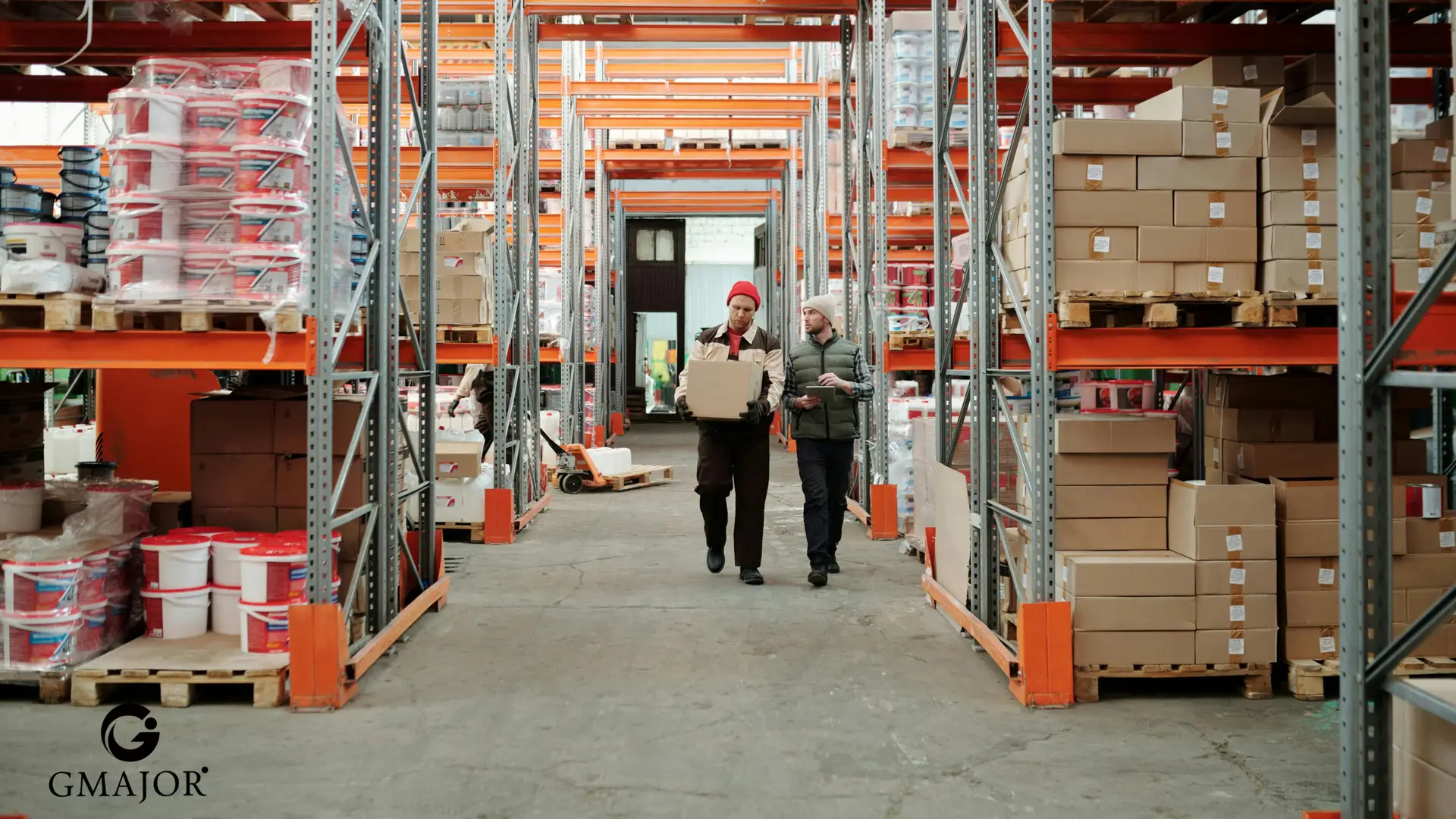
One of the biggest impacts of e-commerce platforms is creating widespread jobs for millions of people. The industry not only creates business opportunities for sellers but also develops supporting sectors such as logistics, digital marketing, product design, data science, and market analysis. A comprehensive economic ecosystem forms around this model.
Educating digital skills for the workforce is an equally important benefit. Millions of sellers on e-commerce platforms self-learn skills in inventory management, data analysis, online marketing, and sales management. These are skills that will shape future economic development.
Economic-Social Benefits
Cost reduction and efficiency increase are the clearest benefits. Sellers do not need to rent premises or hire full-time staff. Operating costs decrease by up to 50% compared to traditional stores, allowing them to offer lower prices to customers or increase profits.
Easy access to international markets helps Vietnamese small businesses sell products to other countries without establishing branches. A farmer in Ha Giang can sell agricultural products to Singapore through e-commerce platforms.
Regional equality development has a huge impact. People in suburban and mountainous areas also have opportunities to sell with fair profit margins. This reduces economic inequality and promotes regional equality.
Increased income for people is a direct result. Sellers on e-commerce platforms can increase income by 30-100% compared to before, depending on products and sales strategies.
E-commerce platforms promote socio-economic development
Operating Forms
According to legal regulations, e-commerce platforms have four main forms: websites allowing store opening (displaying products), websites for contract conclusion (online contract signing), websites with buy-sell sections (posting classified ads), and social networks integrated with transactions (participants pay fees).
Responsibilities and Regulations
Information management and data security are top responsibilities. Platform owners must require sellers to provide accurate information, conduct regular checks and monitoring. They must also apply security measures to protect personal information and business secrets.
Violation control and handling are mandatory. Platforms must prevent prohibited goods and remove violating information within 24 hours.
Transparent dispute resolution and consumer rights protection are unavoidable duties.
Opportunities to Enter the Vietnamese Market for Foreign Businesses
Accessing Vietnam’s rapidly growing market without large investments is a significant competitive advantage. Foreign businesses can start with small initial capital while still reaching tens of millions of domestic customers and those in the Southeast Asia region through local e-commerce platforms.
To legally participate and open a store on Vietnamese e-commerce platforms, foreign businesses must obtain and hold a business operating license in accordance with Vietnamese law. Specifically, they need to establish a legal entity in Vietnam (typically a limited liability company or joint-stock company) or register a representative office, along with a Business Registration Certificate and relevant industry licenses (if applicable). Before selling products, they must comply with the accompanying legal requirements such as:
- Registering a seller account on the platform (providing business license, tax code, representative information).
- Complying with Decree 52/2013/ND-CP on e-commerce (registering with the Ministry of Industry and Trade if required).
- Protecting personal data in accordance with Decree 13/2023/ND-CP and the Cybersecurity Law.
- Handling international payments, VAT, and corporate income tax according to regulations.
Utilizing ready-made technological infrastructure from Vietnamese e-commerce platforms helps save time, costs, and effort. Businesses only need to register a store and leverage integrated tools (payment, shipping, advertising) instead of building their own system from scratch.
Upgrading management skills and adapting to local technology enables foreign businesses to quickly integrate into Vietnam’s digital economy – one of the fastest-growing markets in the region. From there, you can build credibility, scale up, and achieve sustainable profits in this dynamic business environment.

Commercial law is essential when doing business in e-commerce
Accompanying Solutions from GMAJOR
GMAJOR – a global intermediary e-commerce platform provides comprehensive accompanying service packages to help you develop:
GMAJOR provides comprehensive accompanying service packages:
- Operating personnel: Professional support + 3 potential partners/month
- Negotiation commitment: 6 partners + 3 negotiations/month
- Internal training: Comprehensive from finding partners to staff training
- Advertising on the GMAJOR platform: Increase global visibility
20% discount offer – Contact today!
📞 Hotline: 036 300 3831 📧 Email: support@gmajor.biz
🔗 Connect With GMAJOR: