
What Are B2B and B2C?
B2B (Business to Business) refers to transactions between businesses, while B2C (Business to Consumer) describes businesses selling directly to end consumers.
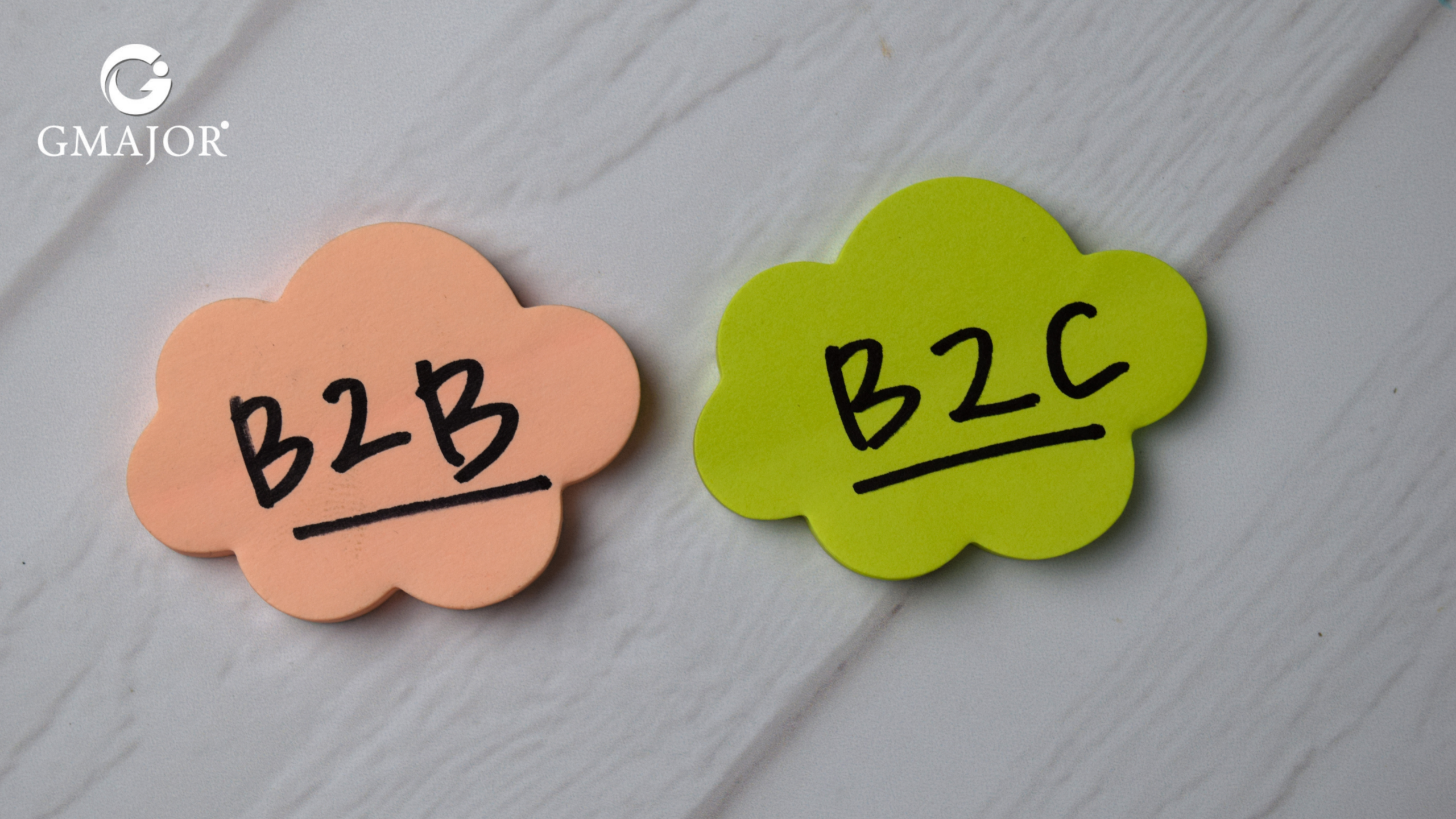
In practice, these are two fundamentally different approaches to the market, varying in target customers, decision-making processes, and growth objectives. When a company begins to expand its market, clearly understanding B2B and B2C becomes the foundation for choosing the right strategic direction.
B2B and B2C in the Global Business Context
In a globalized economy, both B2B and B2C play important roles in market expansion, but each occupies a different position in the global business ecosystem.
B2C
- Focuses on consumer markets and individual customers
- Generates a high volume of transactions driven by frequent purchasing behavior
B2B
- Focuses on relationships between businesses
- Accounts for a large share of global transaction value, despite fewer transactions than B2C
- Plays a critical role in supply chains, manufacturing, distribution, and inter-business collaboration

Core Differences Between B2B and B2C
| Criteria | B2C | B2B |
| Target customers | End consumers | Businesses and organizations |
| Nature of products / services | Mass-market consumer products, easy to standardize | Specialized products, services, or tailored solutions |
| Transaction scale & value | Lower value per order, high transaction volume | Higher value per transaction, lower transaction volume |
| Relationship focus | Primarily transactional | Long-term cooperation and relationship building |
| Market approach | Experience, price, convenience | Capability, credibility, and fit |
| Market expansion goal | Expanding consumer customer base | Expanding partner networks and collaborative ecosystems |
These differences show that B2B and B2C are not simply two sales models, but two distinct ways businesses approach the market, each with its own operating logic and development objectives.
B2B and B2C from the Perspective of SMEs
When expanding into new markets, many SMEs initially approach B2C because it is easier to implement and can generate early revenue. However, as businesses scale or enter new regions, certain limitations become more visible.
With B2C, SMEs often face:
- Increasing price competition
- Rising marketing costs to acquire new customers
- Differences in consumer preferences across markets
At the same time, many SMEs also explore B2B as an alternative approach, characterized by:
- Connecting with partners, buyers, and distributors
- Increasing value per transaction
- Focusing on long-term cooperation rather than short-term retail sales
From a practical standpoint, B2B and B2C reflect different market approaches, depending on a company’s product type, resources, and business objectives.
👉 Read more: Selling on E-commerce Platforms: When should SMEs move from B2C to international B2B?
Which Model Is Suitable for SMEs Seeking Market Expansion?
Choosing B2B or B2C is not a question of right or wrong. It depends on product characteristics, operational capability, and expansion goals.
When B2C remains a viable choice
B2C works well when a business:
- Offers consumer products with broad demand
- Has marketing capability to reach and retain customers
- Expands based on customer volume and purchase frequency
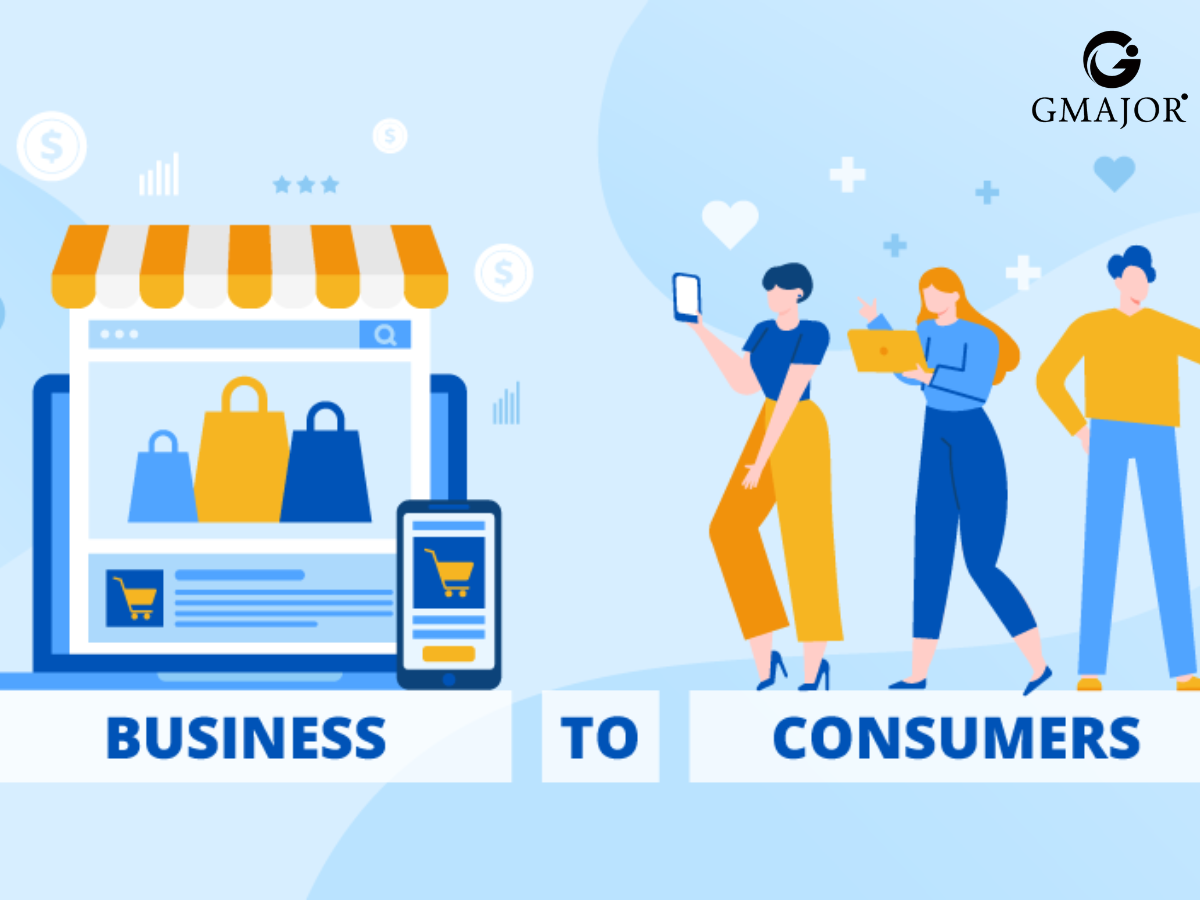
In this case, B2C helps businesses expand market coverage quickly and test consumer response.
When B2B becomes a suitable direction
B2B is ideal for manufacturers, processors, or service providers when the business:
- Expands through partners, buyers, or distributors.
- Prioritizes value per transaction over sheer volume.
- Aims to build long-term partnerships within the supply or distribution chain.
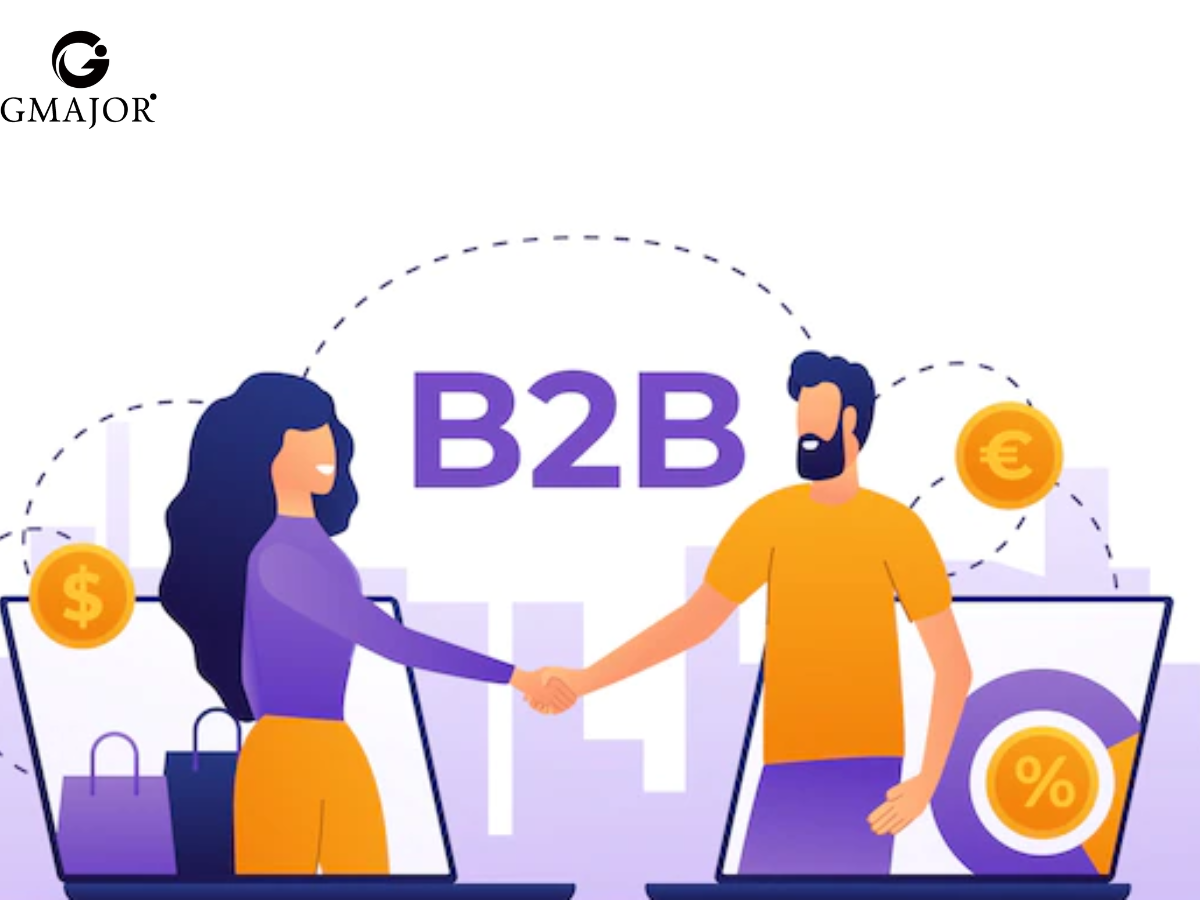
In this case, B2B supports deeper market penetration based on fit and sustainability.
How should Vietnamese SMEs expand their market?
Define clear objectives
Market expansion is not only about immediate sales. It is also a phase where businesses learn about demand, behavior, and how a new market operates. For many SMEs, this is an essential preparation stage before deeper investment.
Scale according to available resources
Rather than entering multiple markets at once, SMEs often achieve better results by focusing on selected markets or segments. This approach reduces risk and allows strategies to be adjusted based on real feedback.
Build a clear operational foundation
When entering a new market, businesses need to ensure that their information and operating processes are clear enough for partners or customers to properly assess their capabilities. This clarity helps communication and cooperation run more smoothly.
Especially in B2B, where partnership decisions are based on company profiles, supply capabilities, and overall fit, the lack of standardized information or direct connection channels can cause real opportunities to be missed, even when the product or service itself has strong potential.
GMAJOR – A platform supporting SMEs in B2B market expansion
GMAJOR is developed as a B2B connection platform, supporting businesses in finding and working with international partners when expanding through a business-to-business approach. As many SMEs consider B2B and B2C during market expansion, GMAJOR serves as a tool that supports B2B connections, communication, and cooperation.

With a focus on practical B2B connectivity, GMAJOR provides key support for SMEs during market expansion:
- Verified business information before connection: helping parties assess fit and reduce risk when initiating cooperation
- Support for cross-border communication: enabling smoother exchanges even without dedicated language teams
- Proactive sharing of products and cooperation intent: aligned with B2B transaction characteristics
- Industry- and demand-based connections: helping SMEs reach relevant buyers, distributors, or partners instead of searching broadly
By focusing on real B2B cooperation needs, GMAJOR offers SMEs an additional option when considering B2B or B2C in their market expansion journey.
👉 Considering market expansion through a B2B model? Let GMAJOR support your next step.
GMAJOR helps SMEs connect with suitable partners, communicate directly, and work with international counterparts in a digital environment aligned with their goals and available resources.
👉 Contact us for consultation now:
🌐 Website: https://www.gmajor.biz
📲 Hotline: 036 300 3831
📧 Email: support@gmajor.biz
🔗Follow GMAJOR on: