For small businesses looking to diversify their sourcing or access high-quality production materials from abroad, official import is the essential legal and sustainable path to build long-term credibility with partners. However, import procedures in Vietnam involve multiple steps and require thorough preparation from legal documentation to tax obligations.
This article compiles practical knowledge on importing consumer goods and production materials, helping small businesses master the process, avoid common mistakes, and optimize customs costs from the very first shipment.
What is official import of goods?
What Is Import? Common Import Types
Import is the process of bringing goods, materials, or machinery from abroad into Vietnam in accordance with the law. Correctly identifying the import type is the most important first step, as it determines tax declaration, required documents, and legal compliance.
The four most common types small businesses encounter include:
- Consumer goods import (A11): Importing finished products for retail or domestic distribution.
- Production materials import (A12): Importing machinery, equipment, or raw materials directly for the company’s production line.
- Processing materials import (E21): Receiving materials from foreign partners for processing under order, then re-exporting finished products.
- Export production materials import (E31): Importing materials to produce goods for the international market.
Official Import and Key Legal Requirements
Official import (nhập khẩu chính ngạch) is the form of bringing goods into Vietnam through international border gates, fully complying with customs regulations, completing tax obligations, and having complete valid documentation. This is the only form fully protected by law, allowing VAT invoicing and free circulation in the market.
To have a shipment cleared under official import, two core conditions must be met:
- Full completion of customs procedures and approval by customs authorities.
- Full fulfillment of tax obligations to the state for taxable shipments.
Import activities are governed by a system of legal documents including Circular 38/2015/TT-BTC (amended by Circular 39/2018/TT-BTC), Decree 69/2018/ND-CP, Foreign Trade Management Law 2017, and specialized circulars from relevant ministries depending on the product category.
Mandatory Documents for Import Procedures
A complete and accurate set of documents is the decisive factor for clearance speed. The table below categorizes mandatory and supplementary documents depending on the goods type.
| Document Type | Document Name | Purpose |
| Mandatory | Customs Declaration | Declaring shipment information to customs |
| Mandatory | Commercial Invoice | Determining goods value, basis for import tax calculation |
| Mandatory | Bill of Lading | Proof of ownership during international transport |
| Mandatory | Packing List | Detailing number of packages, weight, and volume |
| Mandatory | Foreign Trade Contract | Legal binding basis between parties |
| Recommended | Certificate of Origin (C/O) | Enjoying preferential tariffs from FTAs |
| Conditional | Specialized Import Permit | Required for conditional goods |
| Conditional | Quarantine/Quality Inspection Certificate | Required for food, pharmaceuticals, medical devices |
Import activities comply with the law
Import Procedures: 9-Step Process
Below is the complete 9-step process small businesses need to follow.
| Step | Task Description | Key Notes |
| 1 | Pre-compliance conformity registration (if applicable) | Complete before goods arrive at port for regulated goods |
| 2 | Sign foreign trade contract | Clearly agree on Incoterms, payment method, packaging, and delivery responsibilities |
| 3 | Check and collect documents | Carefully verify documents provided by seller for consistency |
| 4 | Register specialized inspection (if required) | Immediately after receiving Arrival Notice for food, pharmaceuticals, medical devices |
| 5 | Customs declaration | Use digital signature to submit electronic declaration via VNACCS/VCIS within 30 days of goods arrival |
| 6 | Receive Delivery Order (D/O) | Present bill of lading and pay fees to shipping line |
| 7 | Customs channel classification | System automatically assigns Green, Yellow, or Red channel |
| 8 | Pay taxes | Complete import tax, VAT, and any special taxes depending on goods |
| 9 | Receive goods and transport to warehouse | Collect goods after clearance and transport to company warehouse |
Import Permits: When Required and Who Issues?
Not all goods require specialized import permits. However, for categories affecting health, environment, or national security, this is a mandatory step before goods arrive at port.
The three main permit types are:
- Automatic import permit: For common goods, simple and fast issuance.
- Non-automatic import permit: For encoded devices, pharmaceuticals, chemicals, functional foods requiring detailed dossier review.
- Special import permit: For used IT equipment, civil cryptographic devices, and used medical equipment.
Issuance time is usually 10 working days from receipt of complete valid dossier by the relevant authority.
Costs and Taxes in Goods Import
| Cost Group | Type of Fee/Tax | Notes |
| Customs fee | 20,000 VND/declaration | Fixed rate, applied universally |
| Import tax | Per HS code | Can be exempted/reduced under FTAs with valid C/O |
| Import VAT | 8% or 10% | Depending on goods category |
| Special consumption tax | Per separate schedule | Applies to alcohol, tobacco, cars, etc. |
| Environmental protection tax | Per separate schedule | Applies to plastic bags, gasoline, coal, etc. |
| Logistics service fees | Transportation, storage, loading/unloading | Varies by route and season |
| Specialized inspection fees | Varies by authority and goods type | Budget reserve needed for special shipments |
Important Notes to Avoid Risks When Importing
To ensure smooth import and no unplanned costs, small businesses should master these key principles:
- Accurately determine HS code before signing a contract, as it determines tax rate and goods management policy. Incorrect HS code leads to wrong tax calculation and possible penalties or supplementary payments.
- Prepare valid Certificate of Origin (C/O) if goods originate from countries with FTAs (CPTPP, EVFTA, RCEP). Valid C/O significantly reduces import tax, sometimes to 0%.
- Monitor free container storage period (Demurrage & Detention) to avoid extra charges, especially for Red channel or specialized inspection shipments.
- Customs declaration must be handled within 15 days of declaration date; otherwise, the system auto-cancels and requires re-declaration, delaying goods receipt.
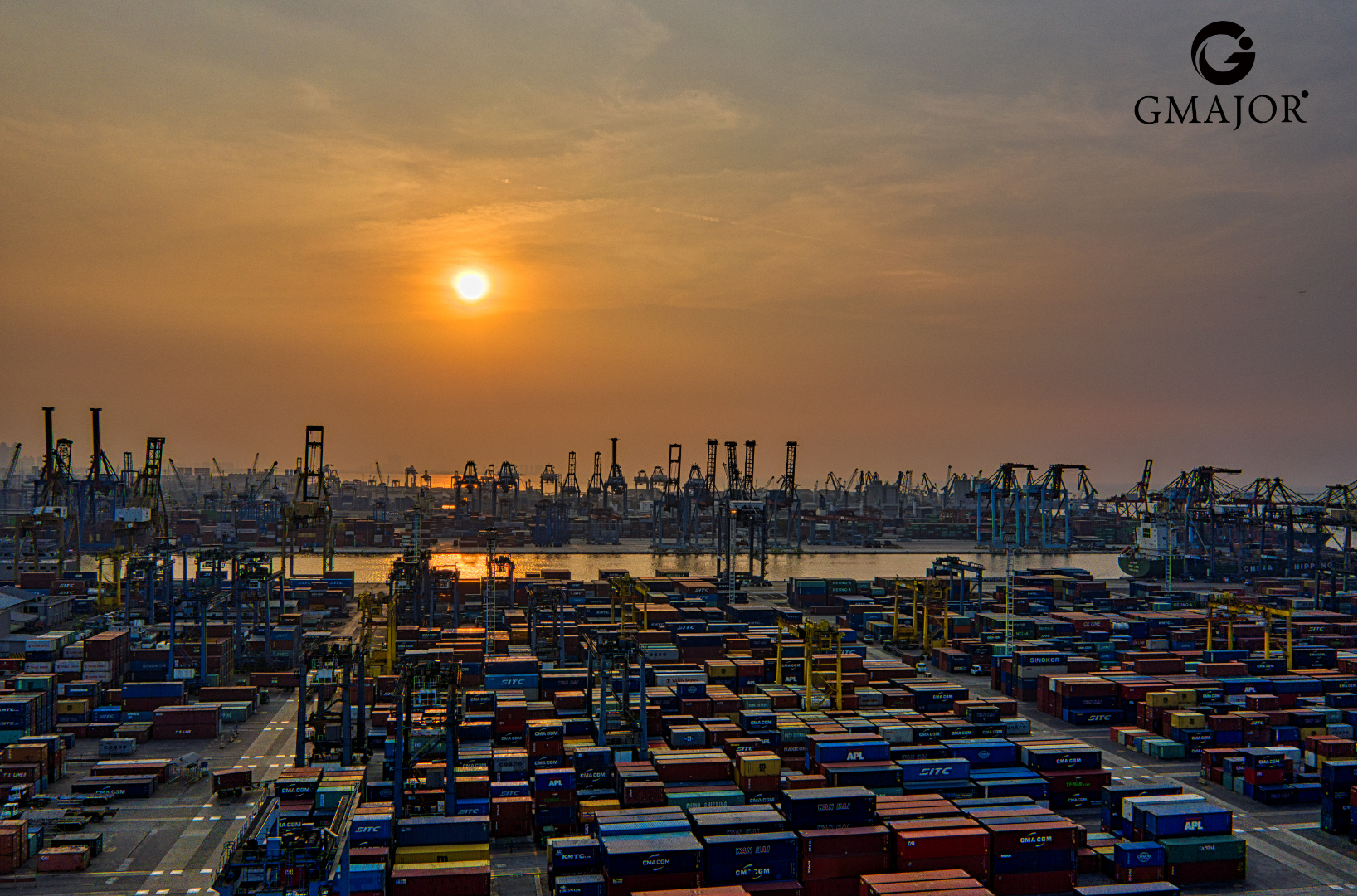
Important considerations when carrying out import activities
GMAJOR Accompanies B2B Businesses in Accessing Global Supply Chains
GMAJOR, the global online B2B connection platform, eliminates language and geographic barriers to help SMEs access international supply chains fairly and efficiently.
GMAJOR provides comprehensive accompanying service packages:
- Operating support: Professional assistance and high-quality potential partner connections each month.
- Negotiation commitment: Up to 2 partners connected and 3 real negotiations per month.
- Internal training: Comprehensive program from partner sourcing to team training.
- Premium advertising package: Increase global brand visibility and reach international B2B customers.
📞 Contact GMAJOR now: Hotline 036 300 3831 | Email support@gmajor.biz
🔗 Connect With GMAJOR: