With Vietnam’s import-export turnover reaching nearly 840 billion USD and aiming for the 1000 billion USD milestone, the demand for establishing import-export companies is surging. Many Small and Medium Enterprises (SMEs) are keen to understand the concepts, legal conditions, and processes to effectively participate in the international market. Notably, the fact that there is no minimum capital requirement for establishment is a major advantage attracting startups.
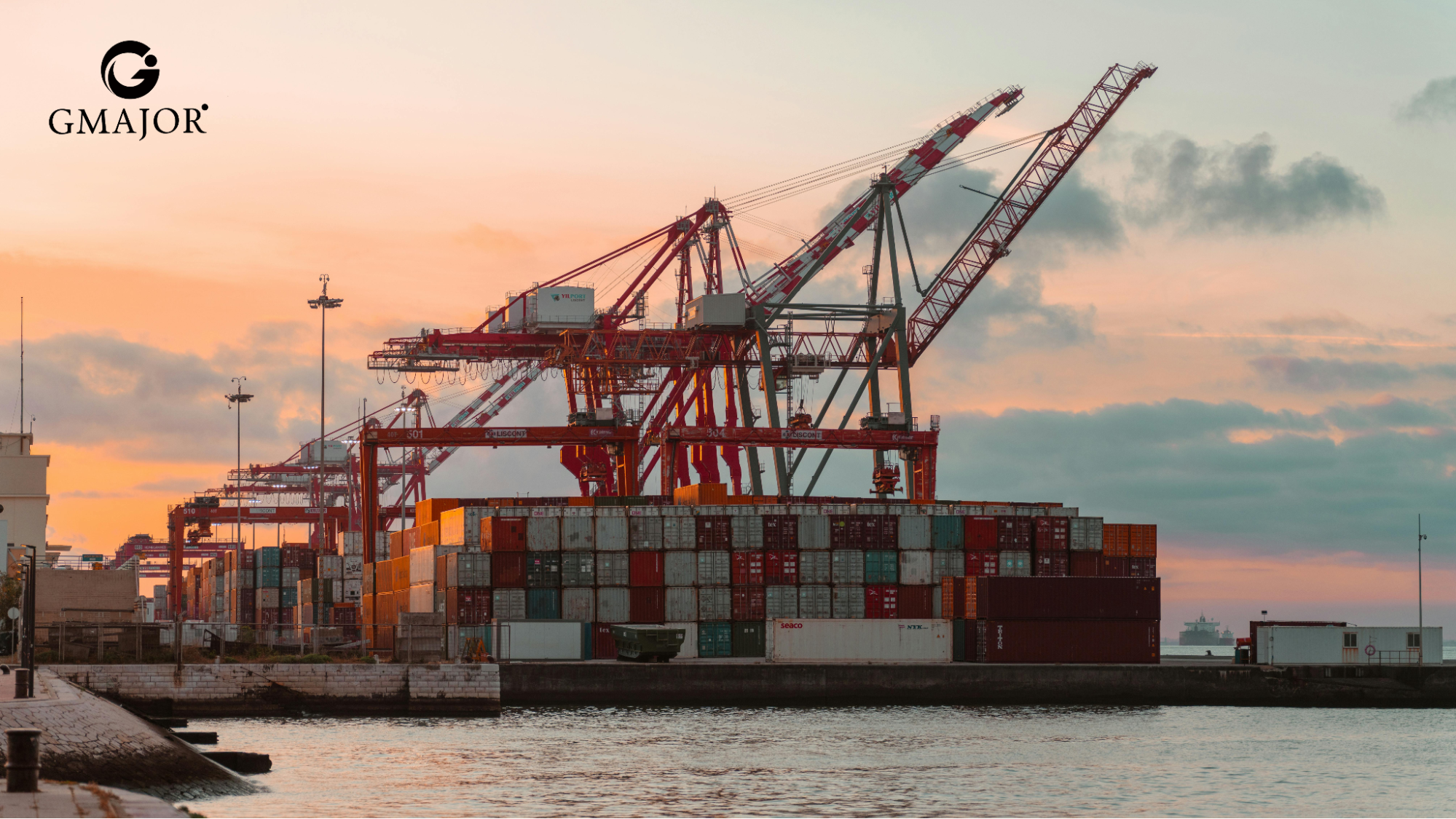
Vietnam’s import and export turnover is nearly 840 billion USD
What is an Import-Export Company?
Definition under Legal Regulations
According to the Enterprise Law 2020 and Commercial Law 2005, an import-export company is an organization with its own name, assets, and transaction office, established in accordance with the law for the purpose of conducting business related to cross-border trading of goods and services.
Import-export companies can be established under various forms: Limited Liability Company (one member or two or more members), Joint Stock Company, or Partnership. Each type has its own characteristics regarding management structure and legal liability.
Core activities include Export (selling goods abroad) and Import (buying goods from abroad), along with support services such as logistics, customs, finance, and international insurance.
Role in the Economy
Import-export companies play a pivotal role in connecting domestic and international markets. They drive economic growth by contributing to export turnover and generating foreign currency sources for the nation.
These activities create millions of direct and indirect jobs from manufacturing, packaging, and logistics to customs and financial services. Especially as Vietnam participates in free trade agreements like EVFTA, RCEP, and CPTPP, import-export companies help Vietnamese businesses leverage tax incentives and access a market of billions of consumers.
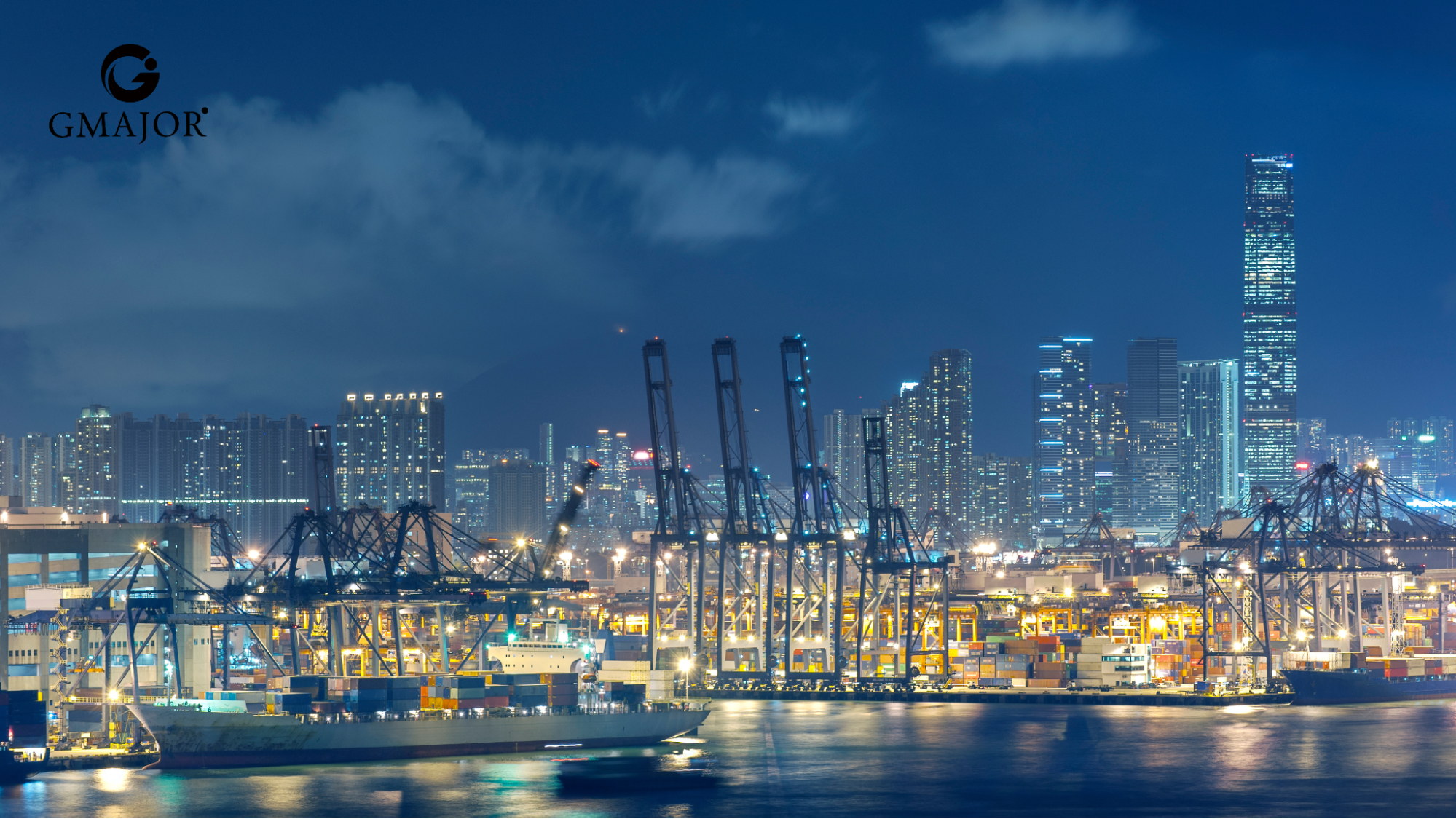
Import-export companies are organizations engaged in international trade. Their economic contribution includes trade volume, employment for millions of workers, and connections to global markets!
Conditions for Establishing an Import-Export Company for Goods
Conditions regarding Traders
Traders wishing to establish an import-export company must have a legal business registration. For traders with foreign investment capital or branches of foreign companies in Vietnam, they must comply with international commitments to which Vietnam is a member and adhere to the list of goods published by the Ministry of Industry and Trade.
Capital Conditions – Advantage of No Minimum Capital
This is great news for startups: Current laws do not prescribe a minimum capital level for establishing an import-export company. The charter capital depends entirely on the decision of the enterprise.
Charter capital is not bound by deposit capital or legal capital. However, if trading in specific conditional sectors such as insurance, security, or film production, regulations on minimum capital for that sector must be followed.
Conditions regarding Import-Export Goods
Registered goods must not fall into the list of prohibited exports, prohibited imports, or suspended import-export. For goods requiring a license (according to Appendix III of Decree 69/2018/ND-CP), the enterprise must obtain a license from the competent authority.
Table 1: Classification of Import-Export Goods
| Type of Goods | Requirement | Licensing Authority |
| Free Goods | No license required | – |
| Conditional Goods | Import-Export License | Ministry of Industry and Trade |
| Quarantine Goods | Quarantine Certificate | Quarantine Agency |
| Food Safety Goods | Food Safety Certificate | Ministry of Health |
Goods subject to quarantine, quality standards, or food safety regulations require inspection and approval by functional agencies before import or export.
Optimization Opportunity for Businesses: Reduce Setup Costs and Connect with Global Partners
Gmajor accompanies your business with a comprehensive service package, including: finding and connecting with international partners, negotiation management support, specialized personnel training, trade legal consulting, and global promotion strategies. All with flexible service packages tailored to your needs.
✉️ Contact us today for free consultation and special offers:
Hotline: 036 300 3831 | Email: support@gmajor.biz
Import-Export Company Under Vietnamese Law
Regulations on Business Line Registration
Special note: Import-Export is NOT classified as a specific business line, so enterprises do not have to register a specific “import-export” business code. Vietnamese traders are allowed to conduct import-export business regardless of their registered business lines, except for prohibited or suspended goods.
Using professional consulting services saves time, costs, and avoids risks
Organizations with foreign investment capital and branches of foreign traders must comply with the list of goods and the roadmap published by the Ministry of Industry and Trade according to international commitments.
Other Regulations to Follow
The company name must comply with principles of non-duplication, not violating cultural traditions, and not using state agency names. The transaction office must be within Vietnamese territory, with a clear address according to administrative boundaries, and must not be located in an apartment building or collective housing.
Import-export companies must also comply with regulations on import-export taxes, customs procedures, and quality standards. Obtaining a C/O (Certificate of Origin) to enjoy 0% tax incentives through FTAs is a crucial point for cost optimization.
Table 2: Comparison of Import-Export Business Types
| Type | Members | Liability | Min. Capital | Suitable For |
| LLC (1 Member) | 1 | Limited to charter capital | Not specified | Independent owners |
| LLC (2+ Members) | 2-50 | Limited to capital contribution | Not specified | Small groups doing business |
| Joint Stock Co. | Min 3 | Limited to shares | Not specified | Businesses seeking capital mobilization |
| Partnership | Min 2 | Unlimited | Not specified | Trusted partners |
Procedures and Operational Notes
The process of establishing an import-export company is quite simple: check company name, prepare documents, submit to the Business Registration Office, receive Certificate (3-5 days), engrave seal, and register for tax. Total completion time is about 7-10 working days with costs ranging from 700,000 to 1,500,000 VND.
Table 3: Common Mistakes and Prevention
| Mistake | Consequence | Prevention |
| Wrong HS Code | Arrears, fines, clearance delays | Consult experts, look up accurately |
| Missing/Wrong Docs | Cargo hold, DEM/DET fees | Prepare fully, double-check |
| Wrong Shipping Mode | Delays, increased costs | Analyze cost/time |
| Not applying for C/O | Loss of tax incentives | Register from the start |

Over 80% of new businesses encounter problems due to lack of experience
From Idea to Global Market: Gmajor Accompanies Import-Export Companies
Establishing an import-export company under Vietnamese law is not complex, especially with the advantage of no minimum capital requirement. Understanding the conditions for establishing a goods import-export company helps SMEs confidently enter the nearly 1000 billion USD market.
Compliance with legal regulations is the foundation for sustainable development. With support from platforms like Gmajor, your import-export journey will be much smoother.
Gmajor – Partnering with You on Your Journey to Success
- Service Packages: Executive Staffing, Negotiation Commitment, Internal Training (20% Off)
- Ad Packages: Free, Enterprise, Customized
- Hotline: 036 300 3831 | Email: support@gmajor.biz
🔗 Facebook | TikTok | YouTube | LinkedIn | X
💡 Don’t miss the opportunity to conquer the global market!